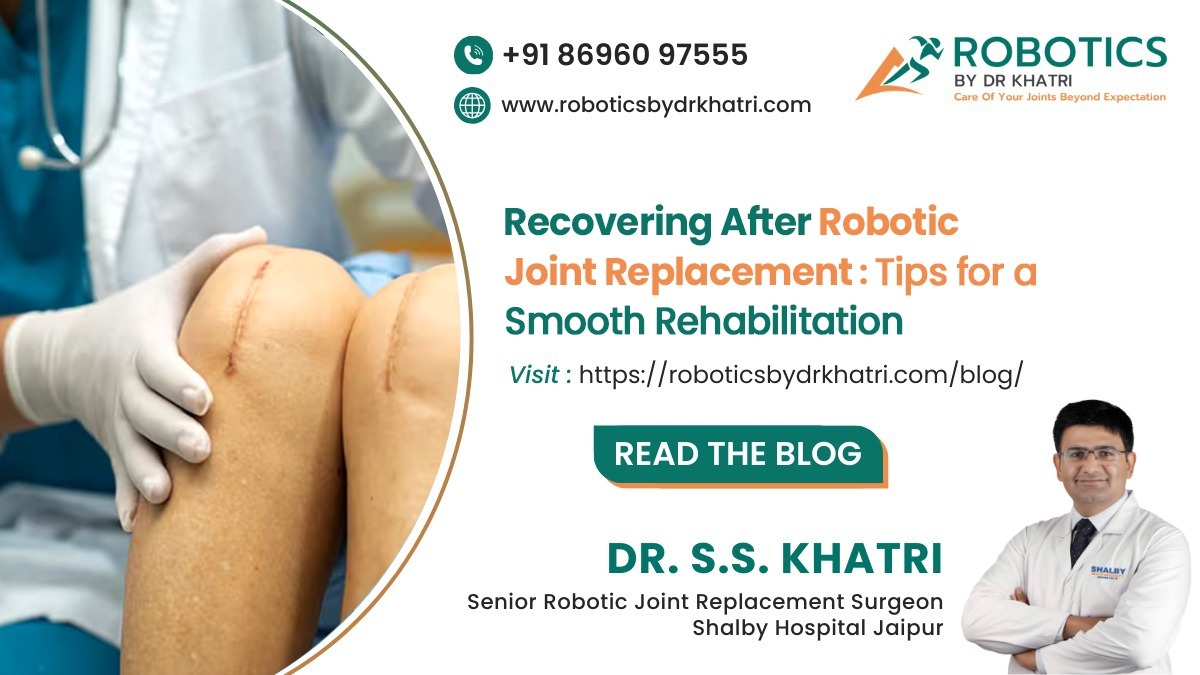
Recovering After Robotic Joint Replacement: Tips for a Smooth Rehabilitation

The knee is one of the most complex areas within our body. As we mature, the knee can develop wear and tear because of a reduction in cartilage thickness as well as a reduction in the fluid levels within the knee joint, making it less lubricated. This will cause severe knee pain. Disregard of such knee problems can lead to severe outcomes, such as Robotic Joint replacement surgery. You are concerned about a knee replacement operation but are unable to find a trusted knee surgeon to support you? In such a case, Orthopedic Robotic Surgery in Jaipur is a brilliant option to handle your concern. Knee replacement surgery has undergone many advancements in the past few years, and this is particularly due to the use of robots in surgery. So, in the wake of advanced technologies and modern medical equipment being used in knee replacement surgery, it is pertinent to note that recovery is an integral part of robotic knee replacement surgery. If you want to get some insight into how to recover from surgery easily, you should continue reading. Let’s start.

Various Methods of Rehabilitation After Robotic Joint Replacement Surgery

Successful rehabilitation also requires proper physical therapy and good habits. Advice from a doctor and exercise also contribute to a smooth rehabilitation process, as patients are able to return to daily functions.
  • When possible, start physical therapy early.

Regaining strength and mobility means undergoing physical therapy. To recover your flexibility, you will engage in light exercises in 24 to 48 hours. As you progress, strengthening exercises will also follow. Attending physical therapy sessions regularly will greatly help in achieving good results in the long run. Because of this, you have to look for someone who can perform your surgery faultlessly so that you can recover smoothly. With the help of the best doctor for knee replacement, everything will go smoothly.
  • Eat healthy and eat in moderation.

A balanced diet rich in quality protein, key vitamins, and essential minerals acts as an important ingredient in facilitating the healing process. By adding such food ingredients to their diets, patients can gain strength, heal faster, and reduce inflammation in their bodies, thus improving their health.
  • Follow the advice of your surgeon and therapist.

Robotic joint replacement surgery provides great precision, but your post-operative care is in your hands, and you should follow the instructions properly to achieve a smoother recovery. Following your medication schedule as advised by your Orthopedic Surgeon in Jaipur is very important for pain control and to prevent infection. Taking good care of your wound is also very important to avoid any complications. You should also follow the instructions for movements to recover properly and regain your mobility.
  • Attempt to be positive.

Among the best healing strategies you could use is having an upbeat attitude. Whether you’ve undergone hip or knee replacement surgery with robots, note the progress you are making, no matter how minute. Moreover, set achievable goals and celebrate your successes, such as learning to move around and to walk alone.
  • Attempt to do some home exercise.

Physical therapy is just one method of rehabilitation. It is necessary to do the exercise assignments from physical therapy in order to maintain progress and also to aid in gaining better health. Not only does it aid in increasing health, but it also enables an individual to feel more mobile and resilient.

Conclusion

Rehabilitation and recovery after robotic joint replacement procedures need to be a targeted effort. Always follow the advice of your attending physician, move around within the restrictions of your health, and above all, focus on maintaining good health to make the whole process of rehabilitation relatively easier for you. With dedication and commitment, you can witness improvements in your mobility, your pain, and the functions of your joints.

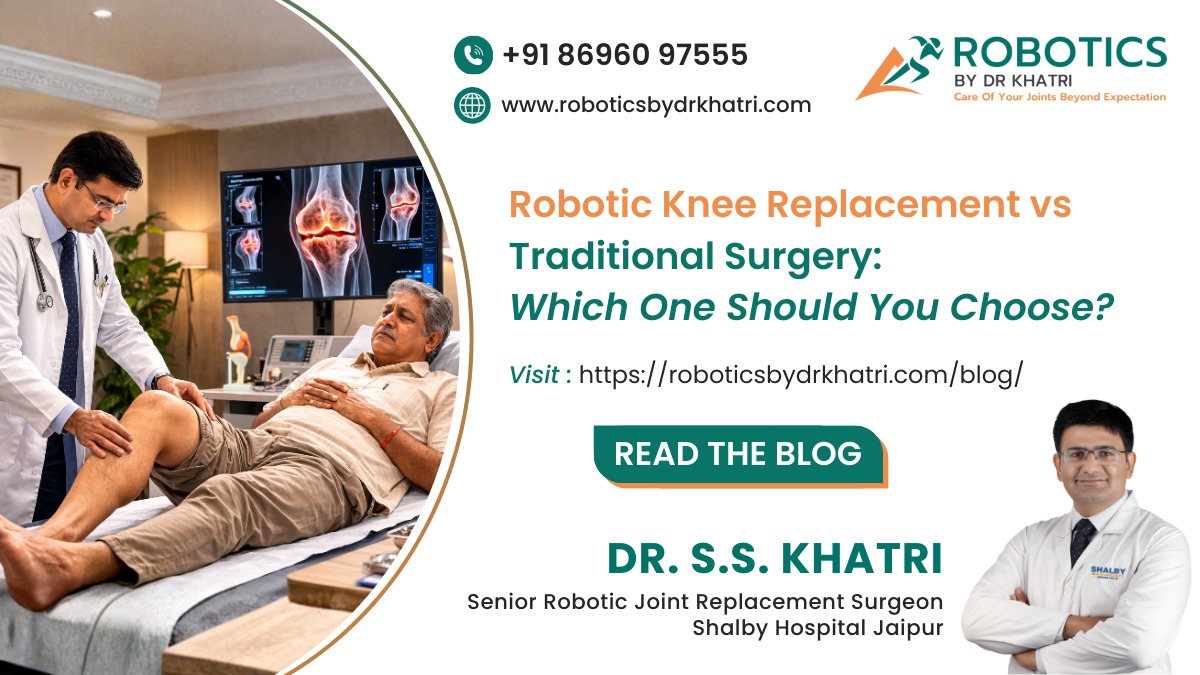
Robotic Knee Replacement vs Traditional Knee Surgery: What’s the Difference?

Knee replacement surgery is a top-notch procedure for patients with chronic knee pain, arthritis, or leg immobility due to other health conditions. Orthopedic surgeons perform knee replacement surgery using manual instruments to place the knee implant at the correct position. Conventional knee surgery has been successful in allowing millions to regain movement in their legs, along with enhancing their quality of life. However, with the advent of advanced health care technologies, patients can now directly benefit from superior results due to better accuracy in treatments. If you are intending to undergo knee replacement surgery, then you can consult the best doctor for knee replacement. Robotic-assisted knee replacement surgery is a promising innovation in orthopedic surgery. This technique amalgamates the expertise of a surgeon with the latest robotic technology, which results in even more precise planning and execution of the surgery. By pointing out the differences between robotic knee replacement surgery and traditional knee surgery, patients as well as healthcare providers can greatly benefit from this advanced technique. These advantages include better techniques, greater accuracy, faster recovery times, and better results. This will help patients make better decisions regarding their treatment. If you are interested in what some of the main differences are between traditional and robotic knee replacement, then this article is for you.

Best Differences Between Typical and Robotic Knee Replacement Surgery

There have been developments in medical technology, which have led to an increase in the availability of options in knee replacement surgery. Robotic knee surgery is a newer, more precise form of knee surgery.
  • Surgical technique
Conventional knee replacement involves the manual skills of the surgeon to remove any defective portions of the bone and properly place the implant. Robot-assisted knee replacement involves a complete robotic system that helps the surgeon prepare the bone according to a pre-planned model and then place the implant. The procedure involves greater precision, and at the same time, the control of the entire procedure stays in the hands of the surgeon. If you want to learn more about it, a knee replacement doctor in Jaipur can help you understand it in detail.
  • Pre-surgical planning
Robotic knee replacement surgery employs the latest imaging modalities, like the CT scan, to produce a 3D model. This enables preoperative planning. The other method employs X-rays, and the skill of the surgeon is essential here. Therefore, robotic knee replacement is more accurate compared to the other methods.
  • Consistent result
Robotic aid makes surgery less variant because of the constant aid and feedback it gives to the surgeon. Skilled surgeons in traditional surgery have the ability to deliver optimal results, and the results of surgery differ from one surgeon to another. However, if you need a robotic knee replacement surgery, you have to find the best robotic knee replacement surgeon in Jaipur.
  • Risk of any complications
Both methods are safe and effective. Robotic surgery is more precise with regard to the proper alignment of implants. Conventional surgery is an established procedure, especially if performed by an experienced surgeon.
  • Long-term outcomes
Both robotic and conventional knee replacements are effective in alleviating the pain associated with knee problems by improving the mobility of the knees. Robotic surgery incorporates technology that results in more accurate placement of the knee replacements to enhance effectiveness. However, to achieve success with both robotic and conventional knee replacements, it is essential to consider the following aspects, which are vital to the effectiveness of the knee replacements, to facilitate the rehabilitation of the patient to engage in their normal activities with vigor.

Conclusion

Robot-assisted knee replacement provides an accurate and tailored treatment, making it the latest development in orthopedic procedures. Conventional knee operation remains an ever-reliable procedure. In the end, it is upon the patients that the choice lies.

Why Your Knee Still Hurts Months After Replacement?

Knee replacement surgery is often seen as the ultimate fix for chronic knee pain; a way to get back to walking comfortably, exercising, and living fully again. But what if months have passed and your knee still hurts? You’re not alone, and it doesn’t always mean something went wrong. Persistent discomfort after knee replacement can happen for several reasons, and understanding them is the first step to recovery.

Understanding Post-Surgery Knee Pain

After a total knee replacement, the body needs time to adjust to the new joint. The muscles, ligaments, and soft tissues around the knee have to relearn movement and strength patterns that changed over time. So, mild pain, swelling, and stiffness for a few months are expected especially when walking long distances, climbing stairs, or sitting for long periods. But pain that continues beyond 3–6 months may signal other underlying issues that deserve medical evaluation.

Common Reasons for Ongoing Knee Pain After Replacement

1. Soft Tissue or Muscle Healing

Even when the artificial joint is functioning perfectly, surrounding tissues may take longer to heal. Tightness or pulling sensations around the knee are common and usually improve with continued physiotherapy.

2. Inflammation or Scar Tissue Formation

Scar tissue (arthrofibrosis) can limit flexibility and cause persistent stiffness or pain. Early and consistent movement exercises are key to preventing it.

3. Infection

Though rare, deep joint infections can cause continuous pain, swelling, redness, or warmth around the knee. This requires immediate medical attention and may need antibiotics or additional surgery.

4. Implant Loosening or Misalignment

In a small number of cases, the prosthetic implant may loosen or not align perfectly over time, leading to mechanical pain. Robotic-assisted surgeries greatly reduce this risk by ensuring precise alignment during the procedure.

5. Nerve Pain or Sensitivity

Sometimes, nerves around the incision become hypersensitive. This may feel like burning, tingling, or shooting pain. Desensitization exercises or medication can help manage this.

6. Overactivity or Weak Muscles

Trying to do too much too soon like returning to heavy physical work can stress the healing knee. Weak thigh muscles also contribute to joint discomfort.

What You Can Do to Relieve Pain

1. Stay Consistent with Physiotherapy

Skipping exercises can slow healing. Controlled stretches and strengthening routines help restore flexibility and stability.

2. Use Cold & Heat Therapy

Ice packs reduce swelling, while gentle heat soothes stiff muscles.

3. Maintain a Healthy Weight

Every extra kilo puts more pressure on your new joint. Losing even a little weight can significantly reduce pain.

4. Follow Up with Your Surgeon

If pain persists beyond 3–6 months, don’t ignore it. An X-ray or scan can help detect hidden causes like implant issues or bone inflammation.

5. Opt for Low-Impact Activities

Replace high-stress activities with swimming, cycling, or yoga. These help strengthen the knee safely.

When to See Your Doctor If You Feel Pain After Knee Replacement Surgery?

You should consult your orthopedic specialist immediately if:
  • Pain increases instead of improving over time
  • The knee feels hot, red, or swollen
  • You develop fever or discharge near the incision
  • The joint feels unstable or clicks painfully while walking
  • Timely intervention ensures faster recovery and protects your new knee joint.
Persistent pain after knee replacement doesn’t always mean something is wrong but it’s a signal that your body needs more care or evaluation. In most cases, simple factors like muscle weakness or scar tissue can be treated with guided physiotherapy and patience. But when pain continues for months, a thorough review by an orthopedic expert is essential. With advances in technology like robotic knee replacement, patients in India today have access to safer, more precise, and faster-healing options than ever before. So if your knee still hurts months after surgery, don’t lose hope, the right diagnosis and care can help you walk pain-free again.

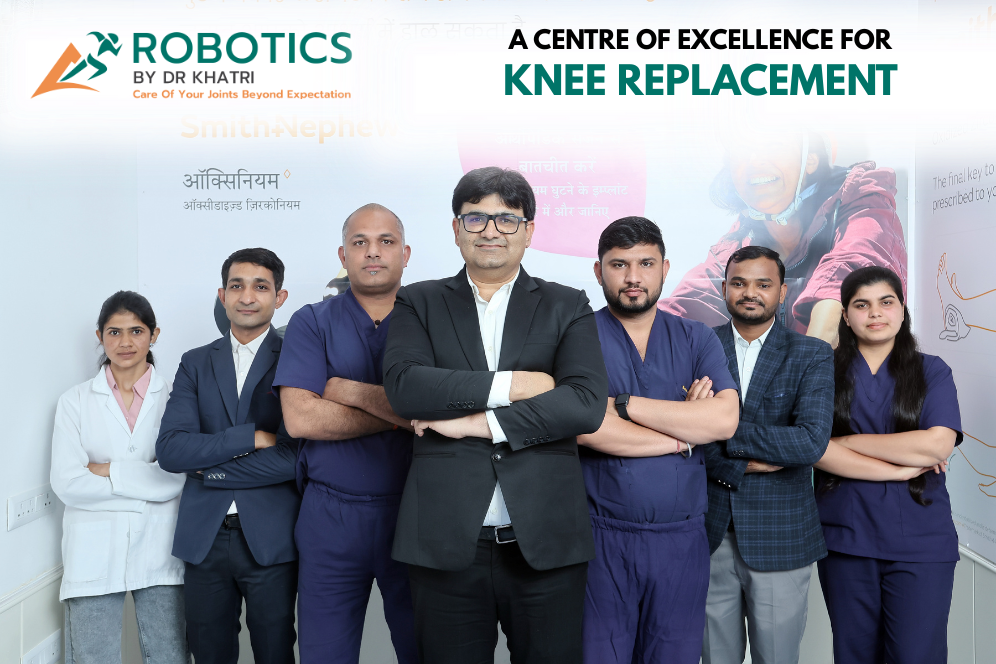
Robotics By Dr Khatri – A Centre Of Excellence For Knee Replacement

Robotics By Dr Khatri – Best Centre For Knee Replacement Surgery

It is a blessing to the patients that “Robotics by Dr. Khatri” in Jaipur offers cutting-edge robotic knee replacement with so many benefits like less blood loss, smaller incisions, same-day walking, faster recovery, and customized planning leading to extraordinary outcomes, now even with cashless facilities. While having the best robotic surgeon and technology is a huge draw, knee patients often have additional needs and desires that contribute to their overall positive experience and successful recovery. What else a knee patient might ask for? Robotics by Dr Khatri covers it all;

Beyond the Surgery Itself (Pre & Post-Operative Care):

Detailed Pre-operative Assessment especially for elderly and cardiac patients:

    • Explanation of the procedure: Even with advanced tech, patients want to understand every step, potential risks, and what to expect in detail.
    • Detailing the expectations: While robotic surgery offers great benefits, patients need a clear understanding of the recovery timeline, potential limitations, and how it will improve their specific quality of life.
    • Pre-Operative guidance: Advice on exercises, diet, and lifestyle changes before surgery to optimize their physical condition and readiness for the procedure.
    • Mental preparedness: Addressing anxieties, fears, and providing emotional support to ensure mental readiness for surgery and recovery.

Exceptional Post-operative Rehabilitation and Physiotherapy:

      • Personalized rehabilitation plan: A tailored exercise program designed for their specific needs, progress, and goals, extending beyond the hospital stay.
      • Dedicated and expert physiotherapists: Highly skilled therapists who work closely with the patient, providing motivation, guidance, and continuous assessment.
      • Convenient access to therapy: Easy scheduling of physiotherapy sessions, potentially with home visit options or partnerships with local rehab centers for continued care once discharged.
      • Do’s and Don’ts at home: Detailed, easy-to-understand instructions and demonstrations for exercises to be done at home, possibly with video resources.
Effective Pain Management:
    • Proactive and personalized pain control: A clear strategy for managing post-operative pain, including medication, non-pharmacological methods (ice, elevation), and prompt response to any uncontrolled pain.
    • Education on pain management: Understanding that pain is a part of recovery and how to effectively manage it at different stages.
Seamless Hospital Experience:
    • Comfortable and clean facilities: A supportive and hygienic environment that aids in healing.
    • Attentive and compassionate nursing staff: Nurses who are responsive, provide excellent wound care, assist with mobility, and offer emotional support.
    • Clear communication: Easy access to medical staff for questions and concerns, with timely updates on their progress.
    • Nutritional support: A diet plan that supports healing and overall well-being.
Consult the expert team at Robotics by Dr Khatri today!

Logistical and Support Services (Especially for Out-of-City Patients):

Accommodation and Travel Assistance:

    • Tie-ups with nearby hotels/guest houses: Discounted rates or recommendations for comfortable stays for patients and their accompanying family members.
    • Airport pick-up and drop-off: Especially crucial for patients traveling from other cities, offering a stress-free arrival and departure.
    • Local transportation support: Assistance with getting to and from the hospital for appointments and therapy.

Financial Transparency and Assistance:

    • Detailed cost breakdown: Clear and upfront information about all costs involved (surgery, implants, hospital stay, physiotherapy, medications).
    • Smooth cashless facility processing: Efficient and hassle-free coordination with insurance providers.
    • Payment plan options: If applicable, flexible payment solutions or financing options.

Follow-up Care and Long-Term Support:

    • Scheduled follow-up appointments: Regular check-ups with Dr. Khatri to monitor progress and address any concerns.
    • Remote consultation options: Telemedicine facilities for patients who cannot easily travel back to Jaipur for every follow-up.
    • Access to a helpline or dedicated coordinator: A point of contact for questions or emergencies post-discharge.
    • Guidance on long-term activities and lifestyle: Advice on resuming daily activities, exercise, and how to protect the new knee for lasting results.

Overall Patient Experience:

Empathy and Personalized Care:

    • Feeling heard and understood: Patients want to feel that their individual concerns and goals are taken seriously.
    • Respect and dignity: Being treated with compassion and respect throughout their journey.
    • Positive atmosphere: A healthcare team that instills confidence and provides encouragement.

Clear Communication and Information Flow:

    • Consistent updates to patient and family: Keeping everyone informed about the patient’s condition and progress.
    • Accessible medical records: Easy access to their medical history and treatment plan.
Whatever may be your query, we are just one call way!
Robotics by Dr. Khatri, the joint replacement center at Mangalam Mediplus Hospital in Mansarovar Jaipur is the pioneer in ‘robotic knee replacement surgery’. It is headed by Dr S S Khatri, Head of the Department of Orthopedics and also a senior Doctor who is an expert in Robotics surgery. The surgery is very well established in this part of the world and this is a breakthrough in the modern orthopedics. You may call for appointment on +9186960-97555.

Common mistakes which needs to be avoided after Robotic Knee replacement surgery

Mistakes to be avoided after Robotic Knee Replacement Surgery

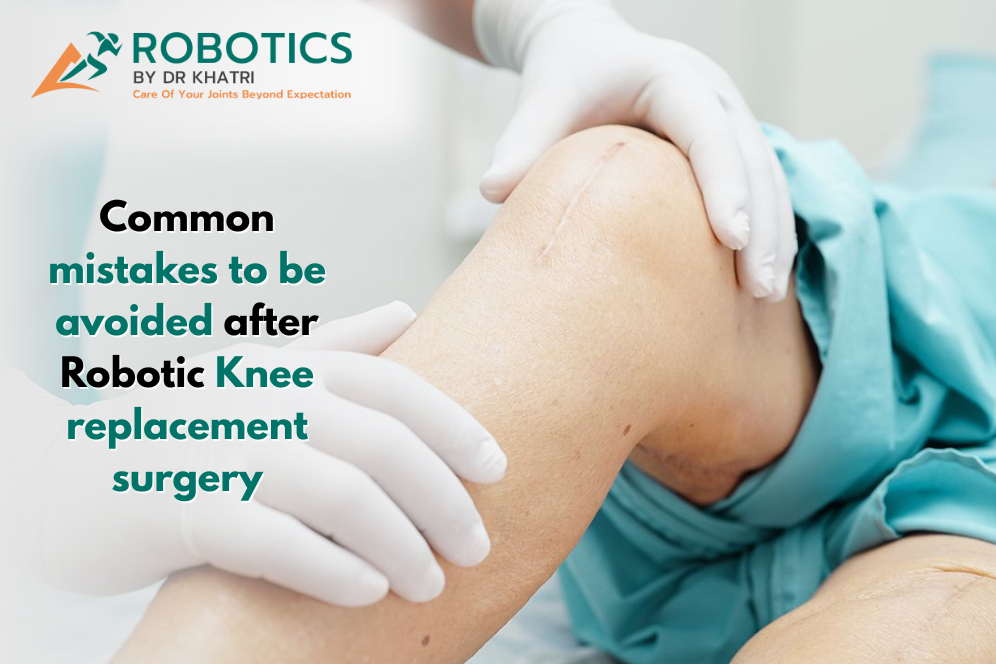
There are few mistakes that we should stay away from after a knee replacement surgery, so be it Robotic or any conventional knee replacement surgery. The reason I mentioned in the header as robotic because in robotics things are much easier for the patients, as the healing is faster, but caution needs to be followed and it us same for all patients.

First, I would like to mention that there is no “RUSH” for recovery, every human body is unique and so is their healing process, both external & internal. Every healing takes time, so one should not rush to get fit faster. Another mistakes that we commonly do is that we follow examples of someone nearer who has underwent such knee replacement in the recent past. We try to emulate the recovery, the pain, the mobility for ourselves too, which is not correct. As I mentioned earlier, each person’s anatomy of the knee is different and the stages they have come to their surgeon is also different, hence the target should be very focused on “What I should not do? Or I should avoid”
Consult the expert team at Robotics by Dr Khatri today!

Physiotherapy after knee replacement

Physiotherapy is a basic follow up after any knee replacement surgery, it will certainly give you the confidence to get back to your routine faster and it is always recommended to take the advice of your Physiotherapist seriously and follow his / her instructions. The activity as suggested by your Physiotherapist should be followed meticulously with out any deviation. “Do Not try to overdo the exercise” to get better faster, there is no logic. Do what is told to you, do how much is told to you.

Post-surgery Medications

Medications – Another point which I wanted to highlight is that the medications as prescribed by your surgeon. It should not be avoided at all. “Drug holidays” can be very detrimental for patients after surgery. There are pain killers and healing medicines which will restore your bone redevelopment faster. They should not be avoided.

Follow-up after knee replacement surgery

Follow up visits to the surgeon should not be skipped. There are various parameters which are checked by any Surgeon when you come for the follow up visit after knee replacement surgery. The surgeon analyses not only your healing but also the flexibility that you have obtained in your knees towards normalcy. So, follow ups should not be avoided at any cost.

Follow Leg discipline as advised by the surgeon

Leg disciplineYou have already been advised by your surgeon during your discharge from the hospital about the Do’s and Don’t’s on how to fold your legs and where not to sit etc. What we generally do is that we at times violate the Doctor’s instruction and which eventually leads to trouble. There are certain ground rules explained to you, be it a knee or a hip replacement surgery, by your surgeon, you are advised to follow that completely. Robotic surgery do have an advantage for a faster recovery and going back to normal life faster but still, the safety measures need to be followed.

Wear comfortable footwear

Footwear Try avoiding foot wares which is causing you discomfort and pain. The shoes that you now wear should be able to provide good grip, cushion and less stress to your knees while walking or standing. They also should be able to avoid tripping off or falling, which can be serious at times. Follow the advice as given to you by your Surgeon.

Pain or Discomfort post knee surgery

Ignoring warning signs – Your body is the best alarm, if something is not right your body will be the first to alert and ‘one should never ignore the alarm’. It is important for you to immediate inform your family members and contact the Doctor without delay.
Whatever may be your query, we are just one call way!
Robotics by Dr. Khatri, the joint replacement center at Mangalam Mediplus Hospital in Mansarovar Jaipur is the pioneer in ‘robotic knee replacement surgery’. It is headed by Dr S S Khatri, Head of the Department of Orthopedics and also a senior Doctor who is an expert in Robotics surgery. The surgery is very well established in this part of the world and this is a breakthrough in the modern orthopedics. You may call for appointment on +9186960-97555.

When Can You resume driving after undergoing Robotic Knee Replacement?

How quickly can you recover after Robotic Knee Replacement Surgery

– Guidance from Dr. S.S. Khatri, Senior Knee Replacement Surgeon, HOD Orthopaedics, Mangalam Medicity, Jaipur

Robotic knee replacement offers precision, quicker recovery, and better joint function. The basic advantages of the robotic knee replacement is that the ligaments, and the muscles surrounding the knee joints are intact and hence the recovery is faster. The knees get back to their original strength faster,but when is it safe to resume driving? 

According to Dr. S.S. Khatri, an Expert robotic joint replacement surgeon, the timing depends on several factors including which leg was operated on, your recovery progress, and whether you’re still using pain medication.

Different Knee – Different Time

For right knee replacements, patients usually need to wait 4 to 6 weeks before driving again. This is because the right leg operates the brake and accelerator, and full control is essential for safe driving. For left knee replacements, those with automatic cars may resume driving earlier—often around 2 to 4 weeks—as long as they are no longer on narcotic pain medications and can move comfortably.

Flexibility is important

Dr. Khatri emphasizes that while robotic surgery can speed up healing, safety remains the top priority. Before getting behind the wheel, patients must be able to perform an emergency stop, have good range of flexibility of his / her knees, and receive a ‘go ahead’ from their surgeon.

Each recovery is unique. Dr. S.S. Khatri provides personalized assessments to ensure patients return to daily activities, including driving, safely and confidently after robotic knee replacement. The progress of the patient is measures every fortnight post the surgery and slowly and steadily all daily chores are assigned to the patient.

Robotics by Dr. Khatri, the joint replacement center at Mangalam Mediplus Hospital in Mansarovar Jaipur is the pioneer in ‘robotic knee replacement surgery’. It is headed by Dr S S Khatri, Head of the Department of Orthopedics and also a senior Doctor who is an expert in Robotics surgery. The surgery is very well established in this part of the world and this is a breakthrough in the modern orthopedics. You may call for appointment on +9186960-97555.