- Opening hours: 24 Hours
- Call us today: +91 86960-97555
- Email us: info@drsskhatri.com

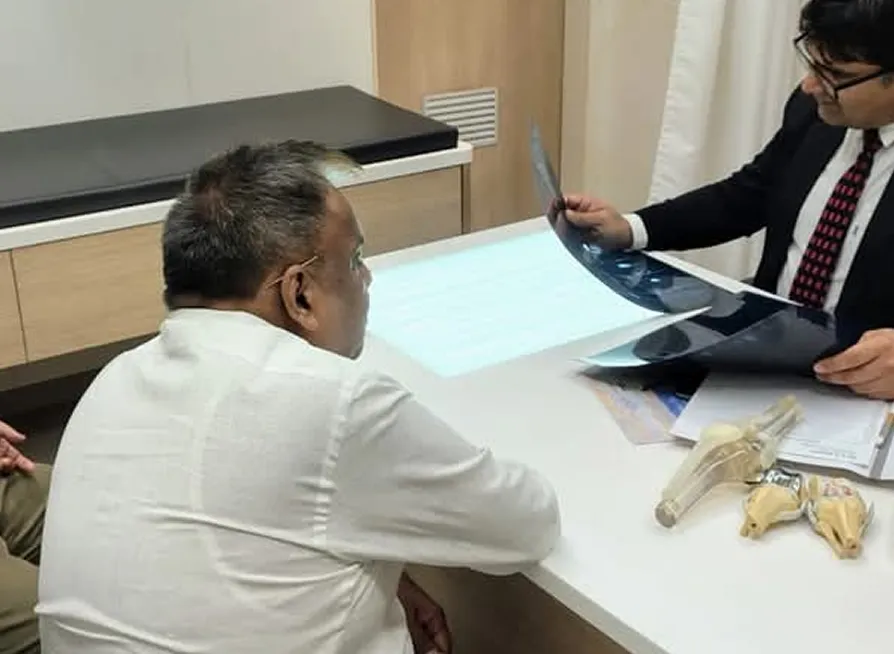
Reasons for Knee Replacement Surgery
Knee replacement surgery should be considered when all conservative measures fail to provide relief. Surgery may be performed for the following reasons:
- Relieve pain
- Improve joint stability
- Improve alignment and correct bone deformity
- Maximise quality of life
- Optimise activities of daily living
Total Knee Replacement Surgery in Jaipur
Total knee replacement is one of the most common surgical procedures performed in all of medicine; there are over 50,000 performed every year in Australia and New Zealand.
More than 90% of people who undergo total knee replacement experience dramatic relief in knee pain and are better able to perform common activities.
Total knee replacement removes and replaces the damaged knee surface with an implant. A total knee implant is made up of three parts: a metal femoral component (thighbone), a metal tibial component (shinbone), and a plastic spacer that is placed in between. A fourth component made of plastic is sometimes used to cover the back of the patella (knee cap).
View Discharge Details
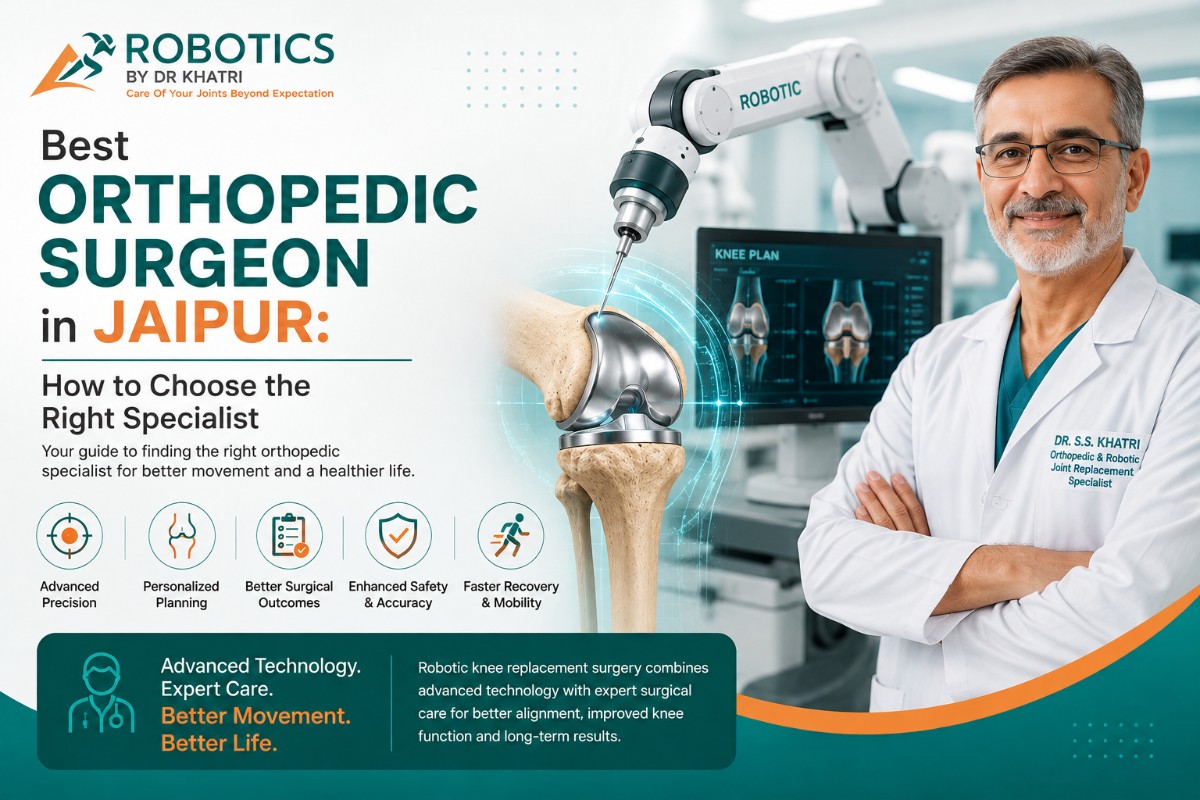
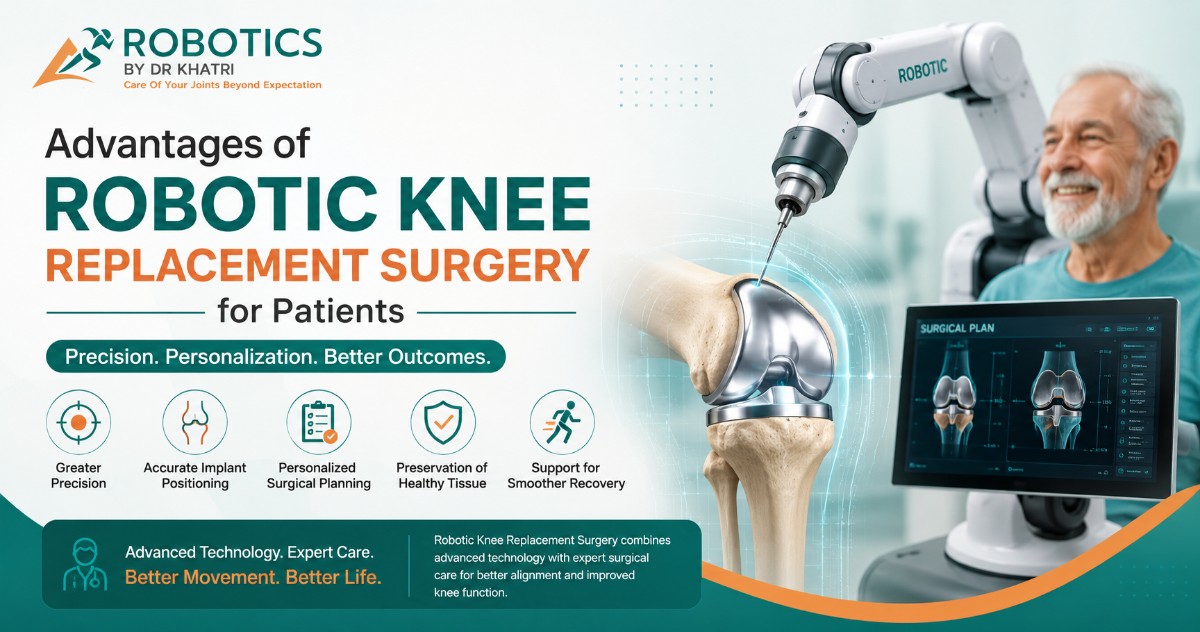
Robotic Knee Replacement Surgery in Jaipur
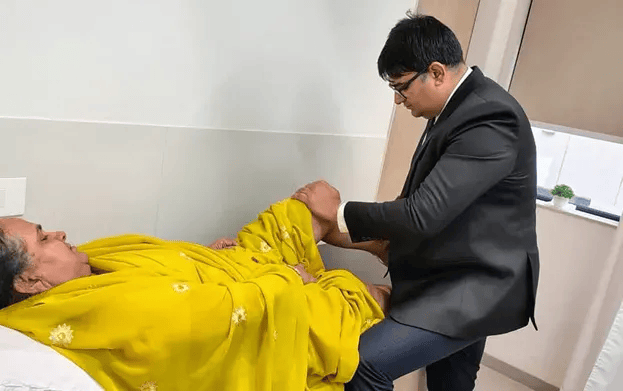
High Precision Knee Replacement Surgery
The cornerstone of the Robotic Knee Replacement lies in its ability to utilize advanced imaging techniques to create a 3D model of the patient’s knee. This cutting-edge technology enables surgeons to make the most precise measurements and cuts, resulting in superior placement of the artificial knee joint. As a consequence, patients experience a more natural feel post-surgery, reducing discomfort and improving overall functionality.
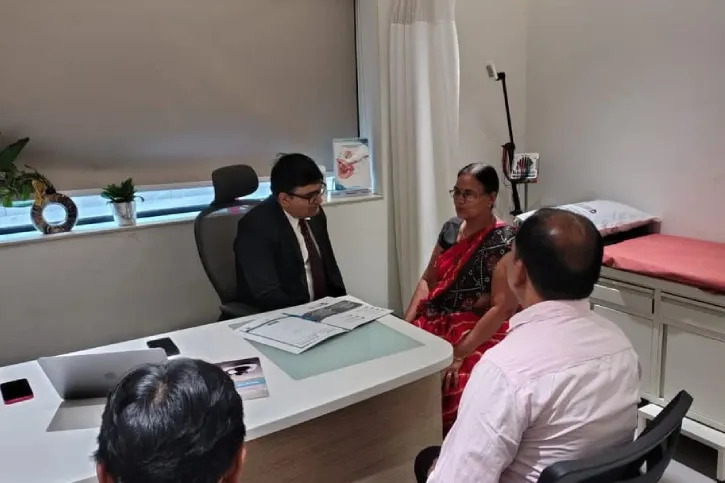
Safe Knee Replacement Surgery
The precision and accuracy of the Robotic Knee Replacement significantly reduce the risk of errors and complications during surgery. Knee replacement surgeons can make smaller incisions due to the high level of accuracy, which minimizes trauma to the surrounding tissues. As a result, patients experience less pain and a faster recovery process compared to traditional knee replacement surgeries.
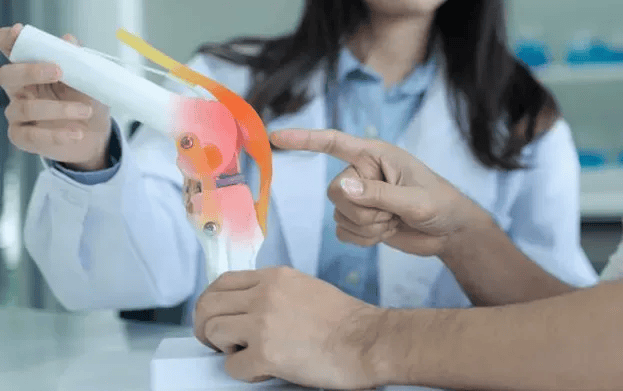
Faster & Long Term Relief from Knee Pain
Numerous studies have demonstrated the long-term success of the Robotic Knee Replacement . Patients who undergo this innovative procedure often experience greater mobility and improved quality of life for many years following surgery. This longevity of positive outcomes highlights the durability and efficacy of the Robotic Knee Replacement as a reliable solution for patients seeking knee replacement surgery.

Personalized Approach for Optimal Fittings
Every patient’s knee is unique, with distinct variations in size and shape. The Robotic Knee Replacement offers a highly personalized approach, ensuring that the fitting and placement of the artificial knee joint are tailored to each patient’s specific needs. This level of customization leads to a better fit, greater comfort, and improved mobility for the patient, ultimately contributing to a better quality of life after the procedure.

Jaipur’s Best Knee Replacement Surgeon
Jaipur is one of major center for quality healthcare services in Rajasthan . Treatment for Knee Pain Relief has evolved over a period of time and Knee Replacement Surgeries have become a long-term and effective solution to knee related issues. Being a main center, Jaipur has many renowned knee replacement surgeons and Dr. S. S. Khatri is surely one of them.
Knee Replacement Surgery Process
Initial Surgical Consultation
Preoperative x-rays, complete past medical history, complete past surgical history, complete list of all medications and allergies (prescription, over-the-counter, vitamin supplements).
Complete Physical Examination
Your knee replacement doctors may determine if you are in the best possible condition to undergo surgery.
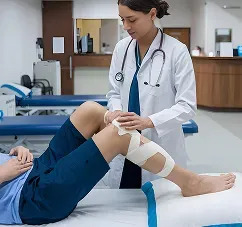
Blood Donation
A transfusion may be necessary after surgery, therefore you may wish to donate blood prior to surgery.

Physiotherapy
Instruction in an exercise program to begin prior to surgery and an overview of the rehabilitation process after surgery will better prepare you for post-operative care.

View Discharge Details
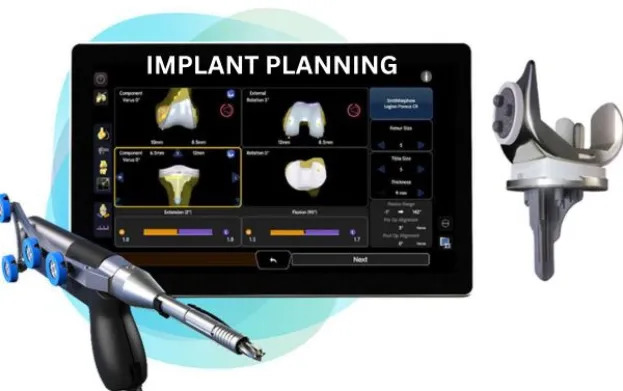
Using computer assistance, the unique shape and motion of your knee are collected by the surgeon. This allows for a three-dimensional model of your knee to be generated and used by the surgeon to plan the procedure. Proper implant size and position will be determined at this time.
Once your surgeon virtually determines the correct implant size and positioning, a handheld robotics- assisted tool is used to accurately position bone removal cut guides.
These cut guides enable the surgeon to use a surgical saw to remove your damaged knee bone, making room for the implant. The extra layer of precision provided by the robotic system is designed to enable accurate cut guide placement.
Recovery After Knee Replacement Surgery

Postoperative
Immediately after surgery you will be monitored as you awake from anaesthetic. Once awake,you will be taken to your hospital room. Plan to stay in the hospital for several days.
In addition to the incision along your knee there will be two small incisions on both your thigh and lower leg where the tracker pins were placed. Expect to feel some pain. This is a natural part of the healing process. Your knee replacement doctors and nurses will work to reduce your pain.
Most patients begin exercising their knee the day after surgery, although each patient’s postoperative care will vary. A physiotherapist will prescribe exercises to help restore knee strength and function, and increase range of motion in your knee. It is common to experience swelling, stiffness and tightness at this time.
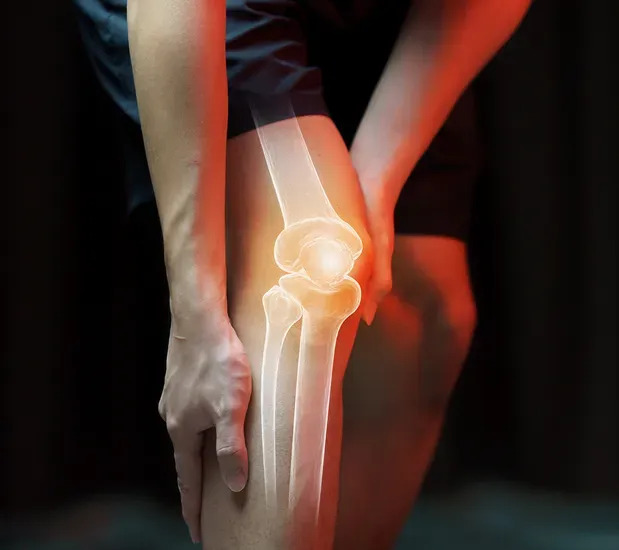
Rehabilitation Following Surgery
The success of your surgery will largely depend on how well you follow your surgeon’s instructions the first few weeks following surgery. How quickly you recover depends on factors such as knee pain, flexibility, strength and balance. Follow up visits will likely be scheduled to check up on your condition and progress as you recover.
In order for you to meet the goals of knee replacement surgery, you must take ownership of the rehab process and work diligently on your own as well as with your physiotherapist. The rehabilitation process can be quite painful at times. However, if you commit to following your program and overcome the challenges in rehab, you will succeed in meeting the goals you set when deciding on surgery.
Dr S.S Khatri, Senior Consultant Orthopaedics, Joint Replacement & Robotic surgery,Vaishali Nagar, jaipur debunks some of the common myths about robotic knee replacement surgery as well as addresses common concerns patients have after the surgery.
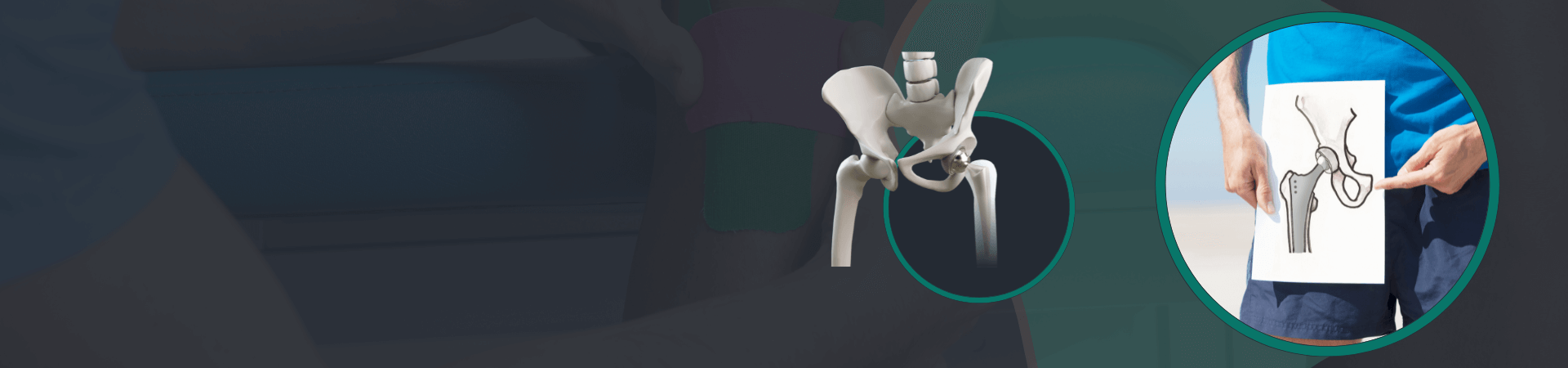
Benefits of Robotic Hip Replacement
Robotic-assisted technology ensures optimal precision, minimal disruption, and long-term joint durability.

Reduced Post-surgery Pain
The precise nature of robotic surgery minimizes damage to tissues around the knee, resulting in less post-operative pain.

Increased Accuracy
Robotic assistance ensures a higher level of accuracy, allowing patients to regain mobility more quickly. This, in turn, reduces the time spent in the hospital after surgery.

Reduced Complications
With the aid of robotic technology, the risk of complications during and after surgery can be minimized like less blood loss, less chances of embolism, less pain, early recovery.

Improved Long-term Functionality
By achieving optimal implant alignment and stability, robotic knee replacement can enhance the long-term functionality of the knee joint.

Enhanced Patient Satisfaction
The benefits of robotic knee replacement, such as improved accuracy, faster recovery, and reduced complications, can contribute to higher patient satisfaction.
Frequently Asked Questions
Robotic knee replacement surgery is a procedure where the damaged cartilage of the knee joint is removed and replaced with an artificial joint with robotic assistance. Robotic-assisted surgery offers better planning before surgery and greater precision with improved alignment and joint balancing during the procedure. These advantages can lead to shorter recovery times and better patient outcomes.
No. Robotic knee replacement is a robot-assisted procedure, not a robot-performed surgery. The surgeon remains in complete control throughout the operation. The robotic arm helps ensure precise bone cuts and accurate implant placement, but it only moves under the surgeon’s guidance.
No. Knee replacement surgery involves removing the damaged portions of knee cartilage while preserving healthy structures. Robotic technology helps surgeons perform the procedure with greater precision, allowing accurate implant positioning and alignment. This can make the surgery safer and more effective compared to conventional methods.
Most patients who are suitable candidates for traditional knee replacement surgery are also eligible for robotic-assisted surgery. Because robotic procedures offer enhanced precision, fewer complications, and potentially faster recovery, they are often an excellent option for both younger and elderly patients.
Some patients worry they may need to give up normal activities after surgery. In reality, many patients return to their routine activities and even recreational sports after recovery. With proper rehabilitation and physiotherapy, most patients regain a good range of knee movement and can perform activities such as kneeling or squatting.
No. Although robotic technology was initially more expensive, it has become increasingly accessible as the technology has advanced. Many insurance providers now include robotic surgeries in their cashless treatment packages, making the procedure available to a wider range of patients.
Most patients do not require long-term physiotherapy. Patients are taught exercises after surgery and can usually continue them at home. Many patients begin walking with a walker on the same day as surgery and are able to walk comfortably without support within 2–4 weeks.
Yes. Most patients are able to resume driving between 4–8 weeks after surgery, depending on their recovery progress and their surgeon’s recommendations.
In most cases, no. Patients with diabetes or high blood pressure can undergo knee replacement surgery as long as these conditions are properly controlled with medication and medical supervision.
Age alone is not a limiting factor. If a patient is medically fit and experiencing significant knee problems, knee replacement surgery can still be performed. Many patients in their 80s and even 90s have successfully undergone the procedure and experienced significant improvement in their quality of life.
Get Best & Affordable Treatment.
Get In Touch In The Mean Time.
Our mission is to provide high quality chiropractic care, supportive therapies and nutritional weight loss solutions
Plot No. 7a, Amrapali Marg
Block a,
Vaishali Nagar, Jaipur
Get an Appointment
Team of Professionals




Read Our Latest News & Articles
Find out what’s new and get updates on treatments, procedures, incredible patient stories, and special cases in our blog section.