- Opening hours: 24 Hours
- Call us today: +91 86960-97555
- Email us: info@drsskhatri.com


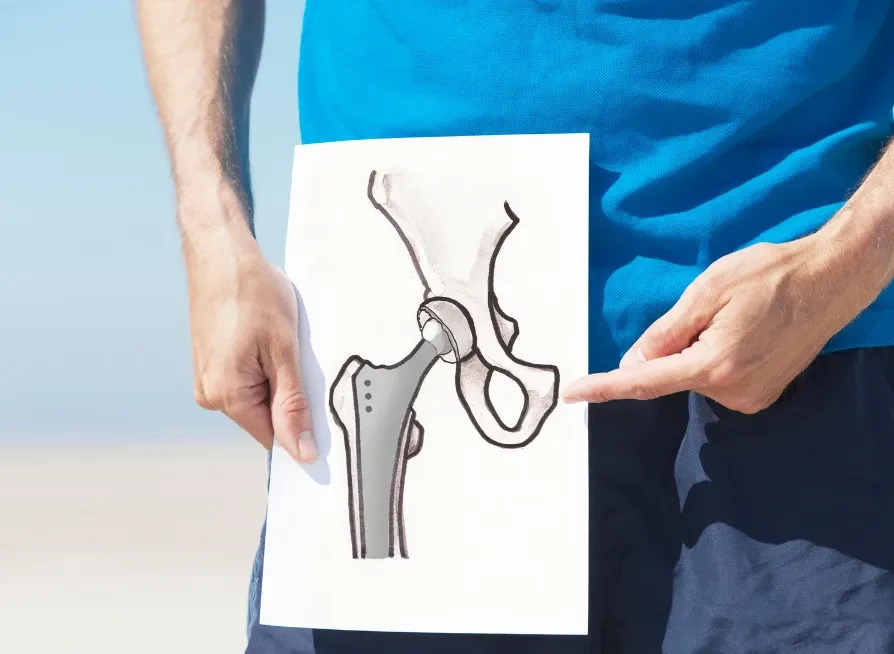
Reasons for hip replacement surgery
Hip Replacement Surgery is recommended when non-surgical treatments no longer offer relief. Surgery may be advised for the following reasons:
- Reduce chronic hip pain
- Restore smooth joint movement
- Improve joint stability and posture
- Correct joint deformity caused by arthritis or injury
- Enhance overall mobility and walking ability
- Improve comfort in daily activities and quality of life

Total hip replacement surgery
Hip Replacement Surgery is usually considered when hip pain and stiffness start affecting everyday life and other treatments such as medicines, physiotherapy, or lifestyle changes are no longer helping. Many people choose Hip Replacement Surgery in Jaipur when walking, sitting, or even resting becomes uncomfortable.
The main goal of Total Hip Replacement is to reduce pain and improve movement. Most patients find that daily activities become easier again after recovery, though the results can vary from person to person based on overall health and rehabilitation effort.
In this surgery, the damaged parts of the hip joint are removed and replaced with artificial components. These usually include a metal stem and ball that fit into the thighbone, a cup placed in the hip socket, and a smooth liner between them that allows the joint to move comfortably. In some cases, Robotic Hip Replacement Surgery may be used to support accurate implant placement. The exact technique and implant choice are decided by the Hip Replacement Surgeon in Jaipur, based on the patient’s condition and needs.
There are different Types of Hip Replacement Surgery, and the doctor will recommend the most suitable option after evaluating the hip joint and overall mobility.
View Discharge Details
Robotic Hip Replacement Surgery in Jaipur
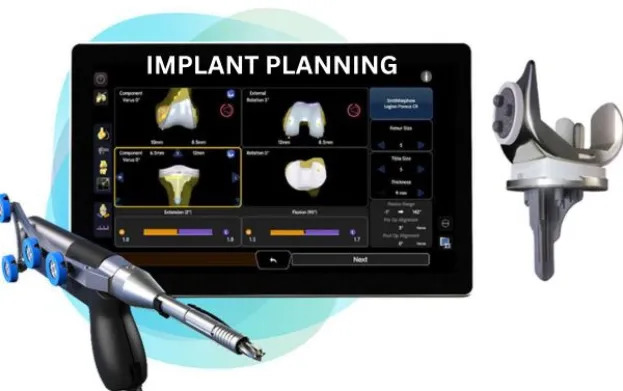
High-Precision Hip Replacement Surgery
In Robotic Hip Replacement Surgery, advanced imaging technology is used to create a detailed 3D model of the patient’s hip joint. This digital model helps the surgeon plan the procedure with accuracy and determine the ideal size, position, and alignment of the hip implant.
By guiding the surgeon during the operation, the technology supports more precise bone preparation and implant placement. This careful alignment can help the new joint move more naturally, which may reduce discomfort after surgery and contribute to smoother, more confident movement during recovery.
Safe Hip Replacement Surgery
In Robotic Hip Replacement Surgery, the enhanced precision helps reduce the chances of surgical errors and supports safer implant placement. Because the technology guides the surgeon with a high degree of accuracy, the procedure can often be performed through smaller incisions. This may help minimize disturbance to surrounding muscles and tissues.
As a result, many patients report reduced discomfort in the early recovery period and may be able to return to daily activities sooner compared to traditional hip replacement techniques.

Faster Recovery & Long-Term Relief from Hip Pain
The minimally invasive approach used in Robotic Hip Replacement Surgery can support a smoother recovery process. Many patients experience less discomfort after the procedure and are able to return to walking and daily activities sooner compared to traditional hip replacement methods.
This quicker recovery helps patients regain mobility, confidence, and independence, allowing them to resume their routine lifestyle with greater comfort and improved long-term hip function.
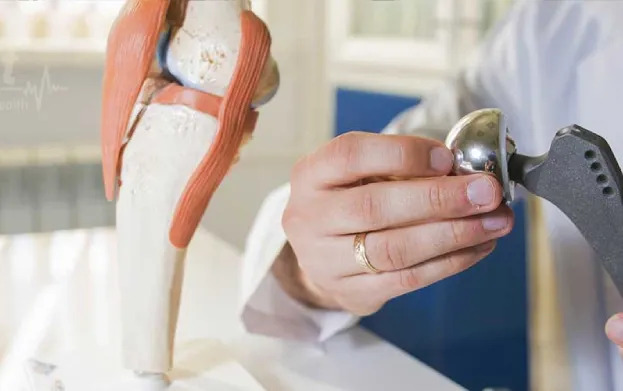
Customized Implant Positioning for Better Comfort
Every person’s hip joint has its own unique shape, size, and movement pattern. Robotic Hip Replacement Surgery allows the surgeon to plan the implant placement according to the patient’s individual anatomy. This personalized approach helps achieve a more natural joint fit and alignment.
With better fitting and smoother joint motion, patients may experience improved comfort, stability, and ease in daily activities, supporting a better quality of life after recovery.

Jaipur's Best Hip Replacement Surgeon
Jaipur is recognized as a key center for advanced orthopedic care in Rajasthan. Over the years, treatment for hip pain and mobility issues has improved significantly, and Hip Replacement Surgery has become a reliable long-term solution for severe arthritis, joint degeneration, or hip injury.
Being a medical hub, Jaipur has several experienced hip surgeons, and Dr. S. S. Khatri is among the well-known names in this field, providing patient-focused care and modern surgical techniques.
Hip Replacement Surgery Process
Initial Consultation
Your surgeon will review your medical history, previous health conditions, medications, and overall lifestyle impact of hip pain. Pre-operative X-rays or scans are performed to assess joint health and determine the most suitable treatment plan.
Physical Examination
A detailed check-up is done to evaluate joint movement, muscle strength, and walking pattern. The doctor ensures that you are medically fit to undergo surgery and may advise additional tests if required.

Medical Preparation
In some cases, blood tests and general health evaluations are recommended before surgery. If needed, arrangements for blood availability may be made for safety during the procedure.

Physiotherapy Guidance
Patients are introduced to simple exercises to strengthen surrounding muscles before surgery. Physiotherapy planning after surgery is also explained in advance to help ensure a smooth and successful recovery.

View Discharge Details
explained in advance to help ensure a smooth and successful recovery.
During Robotic Hip Replacement Surgery, the process begins with your surgeon capturing detailed imaging of your hip joint. This imaging helps create a custom 3D model of your hip, allowing the surgeon to study how your joint is shaped and how it moves. With this model, the surgeon can carefully plan the procedure in advance, including selecting the right implant size and the ideal alignment for your hip.
After the planning phase, a robotic-assisted handheld device is used in the operating room. This device works alongside the surgeon, guiding the bone preparation with a high level of precision. By following the mapped-out plan, the surgeon can accurately shape the bone so the implant fits securely and moves smoothly. The goal of using this technology is to support stable implant placement, natural joint movement, and a reliable surgical outcome.
Benefits of Robotic Hip Replacement
Robotic-assisted technology ensures optimal precision, minimal disruption, and long-term joint durability.

Unmatched Surgical Precision
Robotic technology allows surgeons to plan and execute every step with sub-millimeter accuracy, ensuring the implant fits perfectly with your unique hip anatomy.

Personalized Surgical Planning
A detailed 3D model of your hip is created before surgery, helping your surgeon tailor the procedure to your body's exact structure for better alignment and stability.

Faster Recovery and Less Pain
Smaller incisions and minimal tissue disruption lead to reduced pain, less blood loss, and a quicker return to daily activities compared to traditional hip surgery.

Improved Joint Function and Mobility
Robotic-assisted implant placement results in smoother joint movement, enhanced balance, and a more natural walking pattern after recovery.

Long-Lasting Results and Reliability
Precise implant positioning helps reduce wear and tear, improving the lifespan of the artificial joint and delivering consistent long-term performance.
Frequently Asked Questions
Yes. With modern techniques and robotic navigation, the procedure is safe and widely performed worldwide.
Most hip implants last 15–25+ years, depending on activity level and material used.
In most cases, patients start walking within 24–48 hours with physiotherapy assistance.
Yes. Surgery is based on need, not age. Both younger and older patients can benefit.
Hip replacement surgery involves removing the damaged parts of the hip joint and replacing them with artificial implants. It is usually recommended for patients suffering from severe arthritis, hip fractures, or chronic pain that limits daily movement and does not respond to medication or physiotherapy.
You may be a candidate if you experience persistent hip pain, stiffness, difficulty walking, or limited range of motion despite conservative treatments like medication, injections, or physical therapy. Your orthopaedic surgeon will evaluate your condition using X-rays and physical assessments before recommending surgery.
Unlike conventional methods, robotic hip replacement creates a 3D model of your hip joint, allowing the surgeon to plan and execute the procedure with sub-millimeter precision. This ensures optimal implant alignment, improved joint movement, and less postoperative discomfort.
Most patients start walking with support within a day or two after surgery. Complete recovery usually takes around 6 to 12 weeks, depending on your age, overall health, and commitment to physiotherapy.
The surgery typically lasts between 1 to 2 hours, depending on the complexity of the case and whether a robotic system is used. Minimally invasive and robotic-assisted procedures often take slightly longer but offer more accurate outcomes.
Some level of pain or discomfort is normal for a few days after surgery. However, pain management strategies—including medications and physiotherapy—are used to help you recover comfortably.
Get Best & Affordable Treatment.
Get In Touch In The Mean Time.
Our mission is to provide high quality chiropractic care, supportive therapies and nutritional weight loss solutions
Plot No. 7a, Amrapali Marg
Block a,
Vaishali Nagar, Jaipur
Get an Appointment
Team of Professionals




Read Our Latest News & Articles
Find out what’s new and get updates on treatments, procedures, incredible patient stories, and special cases in our blog section.